Finding new medicines has never been easy. It’s a process built on patience, long hours, and countless experiments that often lead to dead ends. But now, technology is rewriting the story. AI in drug discovery is not just speeding things up — it’s changing how we approach medical research altogether.
With its ability to sift through massive data and predict outcomes faster than ever, AI is giving scientists an edge we’ve never seen before. What once took years can now happen in months. This shift is quietly shaping the future of healthcare and accelerating medical research in remarkable ways.
The journey of creating a new drug has always been long and uncertain. Scientists spend years testing and researching, hoping to find that one breakthrough. But AI in drug discovery is now changing the entire process — not by replacing scientists, but by giving them smarter tools to work faster and more accurately.
One of the earliest and most impressive applications of AI is in identifying potential drug candidates. In the past, researchers had to sift through massive chemical libraries by hand—an arduous process with a high likelihood of leaving something out. Now, AI can examine millions of chemical compounds in less time. It learns from patterns, chemical shapes, and bio data to determine which compounds have the best chance of combating a given disease.
Artificial intelligence is also assisting researchers in learning more about how diseases actually work. Analyzing information collected from patient reports, genetic sequencing, and medical studies, AI can identify novel relationships between illnesses and potential target areas for drugs. That includes developing new medicines for diseases even when previously untreatable conditions appeared.
Another area where AI actually delivers is foretelling a drug's safety. Rather than waiting for lengthy laboratory tests, AI models can predict how a drug could act in the human body. This reduces the likelihood of failure during costly clinical trials, which means saving time, money, and resources.
Perhaps the most exciting change is in personalized medicine. Not all drugs work the same for everyone. AI can analyze a patient’s genetic information, lifestyle, and health history to design treatments specifically for them. This approach is reshaping healthcare, making it more personal, precise, and effective — all while accelerating medical research at a pace we’ve never seen before.
The use of AI in drug discovery offers several key benefits that directly contribute to accelerating medical research. One of the most important benefits is speed. AI can perform tasks in minutes that would take humans several months or even years. This ability is crucial in health emergencies when fast drug development can save lives.
Another major benefit is cost reduction. Traditional drug development is expensive because of the long research time, testing procedures, and regulatory requirements. AI helps cut costs by reducing the number of failed experiments and improving the accuracy of predictions. This allows pharmaceutical companies to bring new drugs to the market at a lower cost, benefiting both the industry and patients.
AI in drug discovery also improves the accuracy of medical research. Human error and bias can slow down progress in scientific studies. AI tools rely on data and algorithms, reducing errors and improving the chances of success in drug development.
Moreover, AI enables the discovery of drugs for rare or complex diseases. In many cases, pharmaceutical companies avoid researching rare diseases because the small patient population makes it less profitable. However, AI makes the research process faster and less costly, encouraging companies to invest in finding treatments for these conditions. This is a positive step forward for healthcare and accelerating medical research for rare diseases.
AI in drug discovery is still evolving, but its future looks promising. As technology advances, we can expect AI to play an even bigger role in shaping the medical industry. Future AI models will likely become more advanced, capable of processing larger datasets and providing even deeper insights into disease biology.
In the coming years, collaboration between pharmaceutical companies, tech firms, and research institutions will be key to unlocking AI's full potential in drug discovery. Data sharing will play an essential role. With access to large and diverse medical datasets, AI models can improve their predictions and help researchers design better drugs faster.
Regulatory bodies are also working to create guidelines for using AI in medical research. Ensuring that AI tools meet safety and ethical standards will be critical for building trust in this technology. Transparency in AI-driven drug discovery will help medical professionals, patients, and regulatory authorities accept and adopt these tools more widely.
AI will also enable more patient-centered drug development. Based on personalized health data, future drugs may be designed not only to treat diseases but also to prevent them. This proactive approach will mark a significant shift in healthcare, accelerating medical research and improving global health outcomes.
The growing interest in AI for drug discovery is already driving investments from both the public and private sectors. Major pharmaceutical companies and tech giants are partnering to develop innovative AI platforms for drug development. Startups are also entering this space, bringing fresh ideas and new approaches to solving medical challenges.
AI in drug discovery is opening a new chapter in medical research. It is making drug development faster, more accurate, and more affordable. With the help of AI, researchers can now explore new treatment options, reduce failures, and bring personalized medicines to patients quickly. This shift is not only saving time and resources but also improving healthcare outcomes. As technology advances, AI in drug discovery will continue to accelerate medical research, helping scientists tackle complex diseases with greater efficiency. The future of medicine looks promising as AI reshapes the way we develop safer and smarter treatments for people worldwide.
Master how to use DALL-E 3 API for image generation with this detailed guide. Learn how to set up, prompt, and integrate OpenAI’s DALL-E 3 into your creative projects
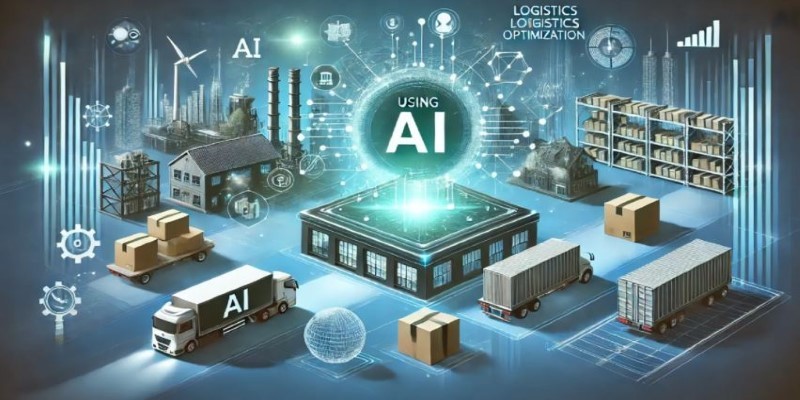
AI in Supply Chain Optimization helps businesses improve efficiency, reduce costs, and manage risks with smart technology and real-time solutions
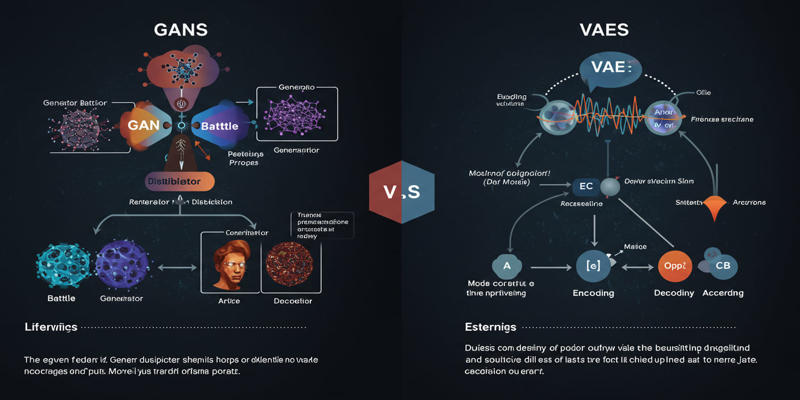
Study the key distinctions that exist between GANs and VAEs, which represent two main generative AI models.
Discover how Replit Agent simplifies coding, testing, and deployment using natural language in an all-in-one platform.

Master the Alation Agentic Platform with the API Agent SDK capabilities, knowing the advantages and projected impact.
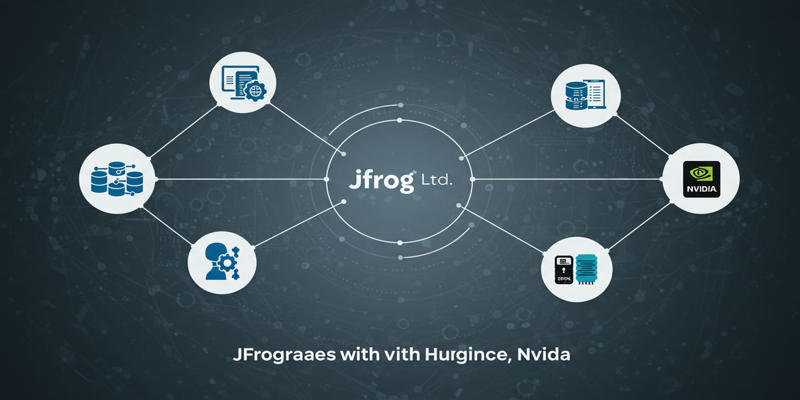
JFrog launches JFrog ML through the combination of Hugging Face and Nvidia, creating a revolutionary MLOps platform for unifying AI development with DevSecOps practices to secure and scale machine learning delivery.

Drive more traffic with ChatGPT's backend keyword strategies by uncovering long-tail opportunities, enhancing content structure, and boosting search intent alignment for sustainable organic growth
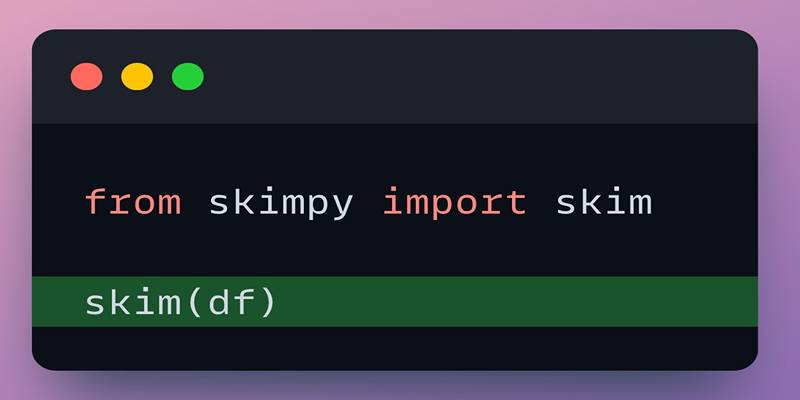
Explore Skimpy, a fast and readable tool that outperforms Pandas describe() in summarizing all data types in Python.
How heuristics and optimization in AI power intelligent systems, blending speed with accuracy to improve AI decision-making and real-world problem-solving

AI in drug discovery is transforming medical research by speeding up drug development, reducing costs, and enabling personalized treatments for patients worldwide
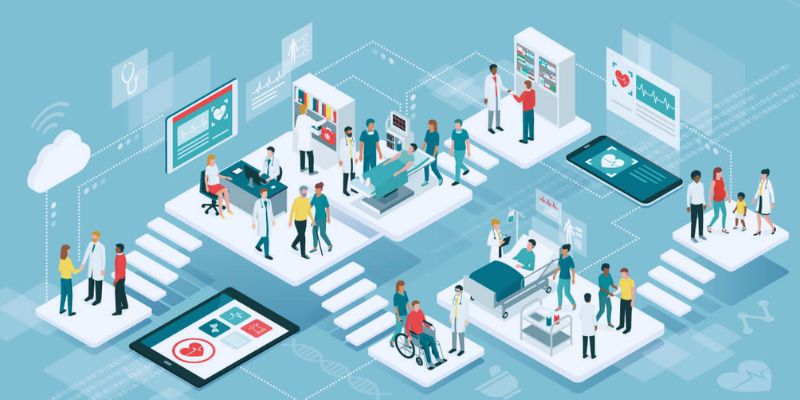
Discover how hospital IoT, wearable health trackers, and AI‑powered patient monitoring improve healthcare services today
Explore how Meta AI on WhatsApp is revolutionizing mobile use with smart chats, planning, creativity, and translation.