Driving traffic goes beyond catchy headlines and daily publishing. It’s about the unseen work that boosts your content’s visibility. ChatGPT’s backend keyword strategies tap into how the AI understands language, structure, and search intent, offering more than a typical SEO checklist. By using ChatGPT as a backend tool, you can uncover hidden opportunities, long-tail keywords, and content gaps.
This strategic approach shapes organic growth through alignment, making your content speak the language your audience searches for. It’s not about tricks—it's about smart, tactical content that truly resonates with users and drives results.
At the heart of driving more traffic with ChatGPT's backend keyword strategies is a simple idea: use AI to reverse-engineer what people are really searching for.
Instead of typing in “give me keywords for fitness,” you can prompt ChatGPT with, “Act like a beginner looking for simple ways to lose belly fat. What would you search for on Google?” This shift pulls back the curtain on how users actually frame their problems. These kinds of responses often reveal not just one keyword but a pattern of phrasing—things like "easy home workouts for busy moms" or "5-minute exercises after work." That’s your goldmine.
Use ChatGPT to generate keyword clusters based on your main topic and explore variations that align with user language. By identifying how these terms connect across content, you create a web of intent. This backend strategy doesn’t just list keywords—it ensures your content naturally attracts traffic through relevance.
Most tools give you keywords with numbers: search volume, difficulty, CPC. But those metrics don't show intent clearly. ChatGPT, when used correctly, can simulate that human search behavior so you write content that fits what people are truly looking for—not what machines think they want.
Once you’ve gathered real-world phrases, the next move is to shape your content around them—organically. Long-tail keywords aren’t always pretty, but they work. The trick is weaving them in without making the content robotic or clunky.
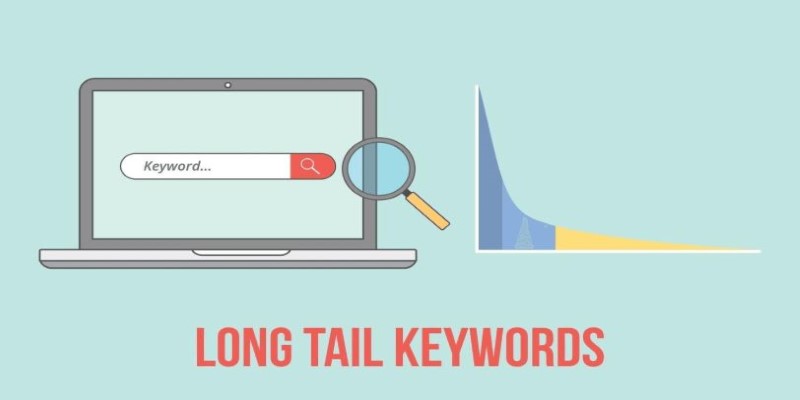
ChatGPT can help structure the content in a way that doesn’t just insert keywords but builds around them. For example, if your long-tail keyword is “how to train a dog not to bark when alone,” ChatGPT can help you outline sections like:
You’re not just plugging in keywords—you’re writing the article your reader actually wants. As you do that, ChatGPT keeps your tone consistent, your transitions smooth, and your paragraphs clean. That's the backend benefit most people miss: this tool isn't just for writing faster—it’s for writing smarter.
Here’s where ChatGPT’s backend keyword strategy really shines: content layering. This means writing one piece of content in a way that can be naturally linked to others in your ecosystem. ChatGPT can help identify subtle linking phrases and thematic overlaps. When used right, you end up with a connected site structure that search engines love.
So you’re not just posting a random blog. You’re building a content map—guided by search intent, written with clarity, and optimized without sounding forced.
Repurposing missed opportunities in your existing content can give your traffic a much-needed boost. If you’ve noticed a drop in engagement, ChatGPT can help identify missing phrases or terms that people are actively searching for but aren’t covered in your current articles. For instance, if you’ve written about “budget travel tips,” ChatGPT might suggest related terms like “carry-on packing checklist” or “cheap mid-week flight strategies,” which are often searched but not included in your content.
By adding these terms, you're not just adding keywords—you’re enhancing the relevance of your content. This allows you to update and republish without starting from scratch, giving your existing content a fresh life while aligning with current search behavior.
You can also take it a step further by asking ChatGPT for follow-up article ideas that dive deeper into the topic without overlapping the original content. This strategy expands your site's reach, providing more entry points for readers and boosting your internal linking structure.
These semantic suggestions aren’t arbitrary; they’re based on common search behaviors and help you address both broad and niche aspects of a topic. By answering more questions within a single piece, your content becomes more comprehensive and stands a better chance of driving consistent traffic.
One of the best things about using ChatGPT's backend keyword strategies is how it simplifies the technical side of SEO. Meta descriptions, slugs, header tags—they all matter, but most of us overcomplicate them. ChatGPT can help make them tight, relevant, and human.

Ask it to rewrite your meta description for a real person, not a bot. Instead of “Top SEO tips for 2025 with keyword insights,” you get something like “Boost your site traffic in 2025 with smart, simple SEO moves that actually work.” Cleaner. More human. Better click-through rates.
It also helps with alt text, internal anchor text, and even canonical link strategy if prompted correctly. For example, "Suggest five natural internal links for this post that would improve crawlability and relevance" gives you link targets without SEO jargon.
Think of it this way: backend keyword strategy is just smart groundwork, and ChatGPT takes out the guesswork. It's not magic—it’s consistent, logical prompting applied with a clear goal.
And yes, you still need to publish regularly, track your analytics, and build backlinks. But the base—your content’s foundation—will already be aligned with search behavior, semantic flow, and user language. That alone can move the traffic needle.
By leveraging ChatGPT's backend keyword strategies, you can effectively enhance your site's search visibility and drive more traffic. By understanding user intent, optimizing content around long-tail keywords, and uncovering overlooked opportunities, your content becomes more relevant and engaging. ChatGPT helps streamline the SEO process, ensuring high-quality, organic growth. With a focus on clarity and value, you'll see your website gain consistent, sustainable traffic while avoiding common SEO pitfalls.

How heuristics and optimization in AI power intelligent systems, blending speed with accuracy to improve AI decision-making and real-world problem-solving

How search algorithms in AI—like BFS, DFS, and A*—solve real-world problems with smart, structured logic. Simple, practical, and human-written insights

AI and the Metaverse are shaping the future of online communication by making virtual interactions smarter, more personal, and highly engaging across digital spaces

Discover these 7 AI powered grammar checkers that can help you avoid unnecessary mistakes in your writing.
Study the key distinctions that exist between GANs and VAEs, which represent two main generative AI models.

Learn to excel at prompt engineering through 12 valuable practises and proven tips

How AI APIs from Google Cloud AI, IBM Watson, and OpenAI are helping businesses build smart applications, automate tasks, and improve customer experiences

Learn how CrewAI’s multi-agent AI system automates writing full-length articles directly from YouTube video content.

AI in Supply Chain Optimization helps businesses improve efficiency, reduce costs, and manage risks with smart technology and real-time solutions
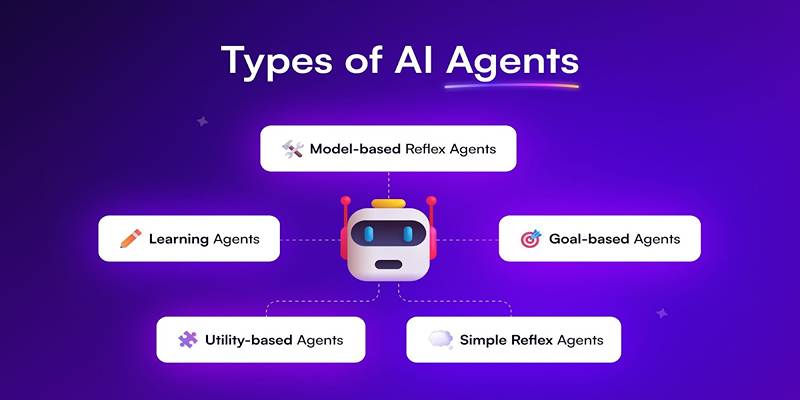
Learn about the main types of AI agents in 2025 and how they enable smart, autonomous decision-making systems.

Discover how hospital IoT, wearable health trackers, and AI‑powered patient monitoring improve healthcare services today

Build a simple LLM translation app using LangChain, LCEL, and GPT-4 with step-by-step guidance and API deployment.