Modern hospitals are fast implementing linked technology to enhance patient treatment. Wearable technology combined with artificial intelligence is changing how hospitals monitor, diagnose, and treat patients using wearable technology and AI. Medical practitioners today obtain real-time data from wearable health trackers and AI-powered patient monitoring devices as hospital IoT solutions grow.
These tools not only increase accuracy but also lower response times in crucial events. By improving processes, smart hospital IoT solutions free staff members to spend more time with patients. AI can identify diseases early on in development. Wearables monitor vital signs around the clock, therefore preventing medical crises. Hospitals running this technology can provide faster and better treatment. Patients find better safety and comfort. Combining artificial intelligence with smart devices is producing a healthcare system more responsive and efficient.
Modern hospitals depend on IoT devices and real-time information derived from sophisticated artificial intelligence systems. From handwritten charting to smart, constant observation, patient monitoring has evolved. Patient monitoring driven by artificial intelligence lets doctors find anomalies early on. Analysis of vital sign data starts right away. Medical teams have the power to act before a situation gets worse. In inpatient care, artificial intelligence lessens human error possibilities. Around-the-clock tracking of mobility, heart rate, oxygen, and temperature is possible using hospital IoT devices. Every piece of data is safely distributed among the medical professionals.
On their gadgets, doctors get alarms to act fast. These artificial intelligence systems also forecast patient decline prior to critical points. Automated reporting for nurses helps to cut documentation. Emergency reaction moves faster and gets more exact. The shorter patient stays, and fewer readmissions result from hospitals using AI-powered monitoring. IoT smart healthcare solutions raise worker efficiency. Early intervention made possible by clever technologies helps to save lives. These instruments are starting to be standard in contemporary medical environments.
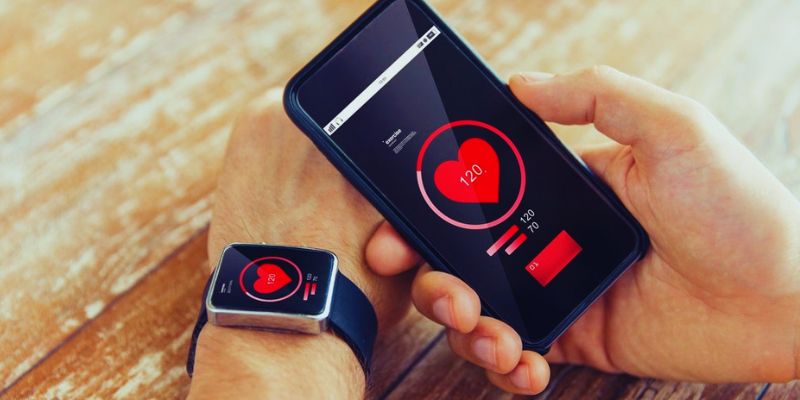
Wearable health trackers provide constant patient monitoring, therefore revolutionizing hospital treatment. These little sensors track activity, heart rate, oxygen levels, and sleep. Wearable devices provide doctors and nurses with quick updates. Patients do not need to be bound to large machinery anymore. These gadgets synchronize data with hospital systems run wirelessly. For individuals, they increase comfort and movement. In hospitals, wearable health monitors help to lower staff manual vital checks.
If anything unexpected is found, alarms are issued. These alerts help prevent medical complications. Early identification is absolutely crucial in intensive care and following surgery. Wearables enhance home post-discharge monitoring. Wearable data lets doctors change therapies more quickly. Remote treatment becomes simpler and more accurate. One can considerably lower hospital readmissions. These instruments also help patients participate more actively in their health. Patients feel informed and safer. Hospitals gain valuable data for long-term patient care planning. Nowadays, smart hospital IoT systems absolutely depend on wearables.
Smart hospital IoT solutions enable healthcare professionals to run operations more effectively. Devices linked to the hospital network automate many ordinary chores. Location sensors simplify equipment tracking. Hospitals save time finding tools like ventilators and wheelchairs. When supplies run short, inventory systems notify staff. Remotely, one can change temperature and lighting. Patient processes and staff schedules start to show organization. Smart badges let nurses and doctors communicate in real time.
Hospital rooms automatically adjust lighting and temperature based on patient needs. IoT also helps smart cleaning systems, hence lowering infections. Maintaining sanitation and good air quality enhances security. Smart controls help to cut energy use. Alerts for equipment repairs go to the maintenance crew. Fewer delays and more seamless operations define hospitals. Every system cooperates under one digital platform. From a central dashboard, managers view everything. IoT smart hospitals help to lower waste and downtime. These developments free healthcare professionals to concentrate more on patient treatment.
Predictive solutions developed by artificial intelligence and hospital IoT are altering physician management of health concerns. Predictive healthcare searches patient data for problems before they start. Artificial intelligence algorithms analyze trends by combining wearable data with healthcare records. Patients at risk of complications are assigned predictive scores. These results direct treatment choices. Early warnings let hospital staff stop disasters. Patient monitoring driven by artificial intelligence enables tracking of chronic conditions, including heart disease and diabetes. Trends in blood pressure or glucose levels are recognized right away.
Doctors can change medication and suggest lifestyle modifications. IoT and artificial intelligence enhance preventative care initiatives. Hospitals are shifting from reactive to proactive treatment approaches. Individualized therapy strategies help patients. These systems cut ER visits. Over time, healthcare expenses come down. Continuous data updating allows real-time forecasts. Hospitals also apply artificial intelligence to workforce and budget planning. Hospital IoT devices drive predictive analytics, which produces smarter healthcare systems.
Hospital IoT and artificial intelligence technology are shaping the modern patient experience. Today, patients get treatment grounded on real-time data and personal health patterns. Artificial intelligence rapidly and precisely handles enormous volumes of data, which leads to better doctor decision-making. Wearable gadgets compile continuous health statistics. These tools direct customized treatment plans for every patient. Hospitals can continue monitoring patients even after discharge.
Long-term care is benefited by remote patient monitoring. Those with chronic conditions receive consistent updates and assistance. IoT systems for smart hospitals combine all of the gadgets into one platform. Every caregiver has access to the same most current data. Interaction among departments promotes communication. Also available to family members are updates on the patient's condition. Patient rooms develop into smart environments featuring mood lighting and voice control. One gains comfort and less tension results. Hospital visits now feel more personal and less clinical. Technology today aids patient well-being in addition to health.
Wearable health trackers and artificial intelligence-powered patient monitoring are ushering a new age into hospitals. Smart hospital IoT systems improve efficiency by lowering workload and providing speedy, correct treatment. Throughout treatment, patients experience better knowledge and safety, and hospitals that invest in these ideas provide better treatment. Real-time monitoring and predictive systems guarantee early intervention. Wearable technologies combined with smart platforms simplify medical systems and aid in saving lives. With accuracy and compassion at the core, these innovations are shaping the future of healthcare with greater precision and compassion.
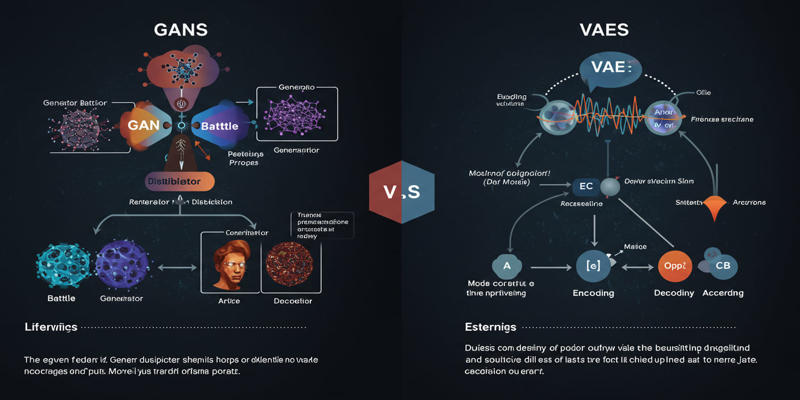
Study the key distinctions that exist between GANs and VAEs, which represent two main generative AI models.

How AI’s environmental impact is shaping our world. Learn about the carbon footprint of AI systems, the role of data centers, and how to move toward sustainable AI practices

Master how to use DALL-E 3 API for image generation with this detailed guide. Learn how to set up, prompt, and integrate OpenAI’s DALL-E 3 into your creative projects

AI in Supply Chain Optimization helps businesses improve efficiency, reduce costs, and manage risks with smart technology and real-time solutions

How to set upstream branch in Git to connect your local and remote branches. Simplify your push and pull commands with a clear, step-by-step guide

Learn how CrewAI’s multi-agent AI system automates writing full-length articles directly from YouTube video content.
Discover how Replit Agent simplifies coding, testing, and deployment using natural language in an all-in-one platform.

How search algorithms in AI—like BFS, DFS, and A*—solve real-world problems with smart, structured logic. Simple, practical, and human-written insights
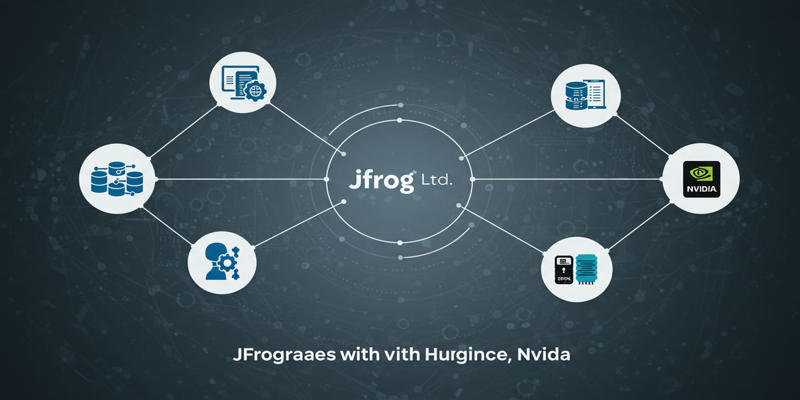
JFrog launches JFrog ML through the combination of Hugging Face and Nvidia, creating a revolutionary MLOps platform for unifying AI development with DevSecOps practices to secure and scale machine learning delivery.
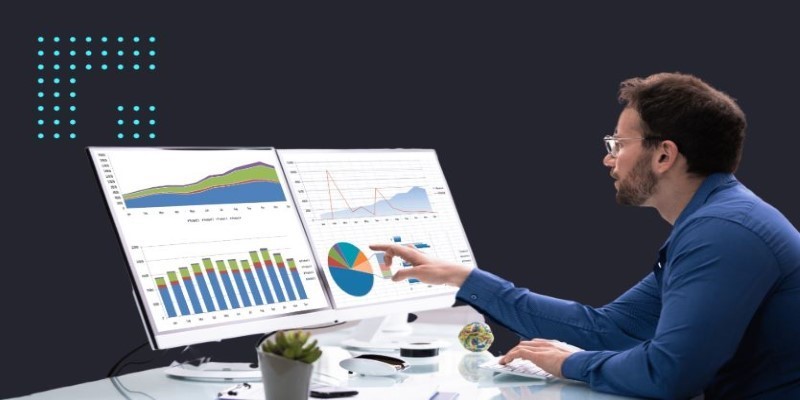
Unlock the potential of AI for market analysis to understand customer needs, predict future trends, and drive smarter business decisions with accurate consumer behavior prediction

Explore how Meta AI on WhatsApp is revolutionizing mobile use with smart chats, planning, creativity, and translation.

Master the Alation Agentic Platform with the API Agent SDK capabilities, knowing the advantages and projected impact.