In today’s fast-paced world, businesses are constantly looking for ways to improve their supply chains. Enter AI in supply chain optimization—a game-changer that’s transforming how products move from point A to point B. No longer just a buzzword, AI is helping companies tackle age-old challenges like inventory management, demand forecasting, and cost reduction.
By harnessing the power of data, AI can predict trends, automate processes, and provide real-time solutions, making supply chains more efficient and responsive. This article will dive into how AI is reshaping supply chains and why it’s becoming essential for businesses aiming to stay competitive.
AI in supply chain optimization brings many new tools that help businesses make smart decisions. One of the most common uses of AI is demand forecasting. Companies often struggle to guess how much product they need to supply. If they produce too little, customers are unhappy, and if they produce too much, they lose money. AI helps to study past sales, seasonal trends, customer behavior, and even weather patterns to make accurate predictions.
Inventory management is another important area. Warehouses can become messy and difficult to handle when there is no clear system in place. AI-powered systems can track inventory in real-time, alerting managers when stock is low or when items are moving slower than expected. This reduces waste and ensures that the right products are always available when needed.
AI is also making supply chains transparent. Traditionally, it has not been easy for businesses to trace every movement of their supply chain. Sometimes, goods are delayed while in transit, or there can be unforeseen problems with the suppliers. Using AI, businesses can track their supply chains all the way. This transparency makes it easier for companies to respond to issues before they cause widespread disruptions.
Moreover, AI is making transportation smarter. Shipping products from one place to another involves many decisions, such as the best routes, delivery times, and fuel costs. AI analyzes all this data to choose the most efficient paths, saving both time and money.
The benefits of AI in supply chain optimization go far beyond speed and cost savings. One key advantage is risk management. Supply chains often face risks like natural disasters, political changes, or supplier failures. AI tools can predict these risks based on current data and offer alternate solutions before problems arise.
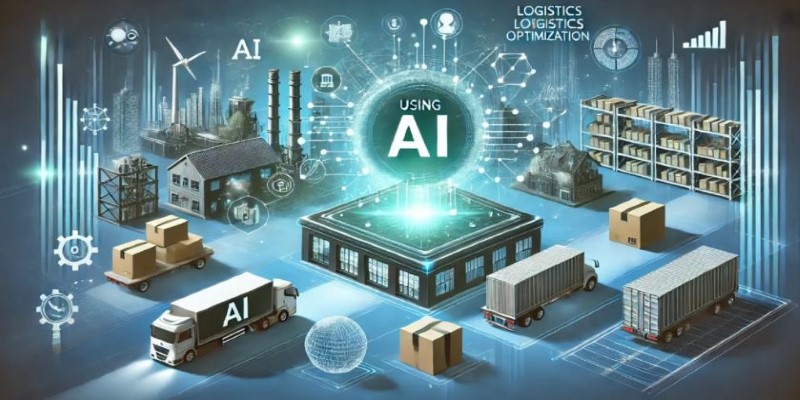
AI also improves customer satisfaction. When companies use AI to manage their supply chains, customers get their products on time and in perfect condition. Fast delivery, accurate order tracking, and efficient service lead to happy customers who trust the brand.
Another important benefit is sustainability. AI helps businesses reduce waste by forecasting demand correctly and managing inventory efficiently. Less waste means lower costs and a reduced environmental impact, which is a valuable advantage in today's world, where environmental concerns are growing.
Cost reduction is a major goal in every supply chain. AI helps save money in several ways — from predicting demand to reducing unnecessary inventory storage and optimizing delivery routes. Over time, these savings can be significant.
AI in supply chain optimization also enables real-time decision-making. Traditional systems often depend on reports generated at the end of the day or week. AI provides instant data, allowing businesses to make quick adjustments and respond faster to changes in demand or supply conditions.
Despite its many benefits, AI in supply chain optimization does not come without challenges. One of the main hurdles is the cost of technology. Not all businesses can afford to invest in advanced AI tools, and smaller companies may struggle to keep up with larger competitors who have more resources.
Data quality is another challenge. AI depends heavily on accurate and clean data. If the data fed into the system is incorrect or incomplete, the results will also be flawed. Many companies need to improve their data collection and storage practices to get the most out of AI.
Integration with existing systems is often difficult. Many businesses already have supply chain software in place. Adding AI tools may require significant changes to their current processes. This can lead to downtime or disruptions in operations if not handled carefully.
There is also the human factor. Employees may resist adopting new technology because of fear of change or job loss. Companies need to train their staff and show them how AI can make their jobs easier rather than replace them.
Finally, cybersecurity is a growing concern. As supply chains become more connected, they also become more vulnerable to cyberattacks. Protecting sensitive data and ensuring system security is crucial when implementing AI in supply chain optimization.
The future of AI in supply chain optimization looks bright as technology becomes more affordable and available to businesses of all sizes. In the coming years, AI will bring smarter tools, faster decision-making, and greater accuracy to supply chain management. Companies will use AI to improve sustainability by reducing waste, saving energy, and making better choices for the environment without affecting profits.
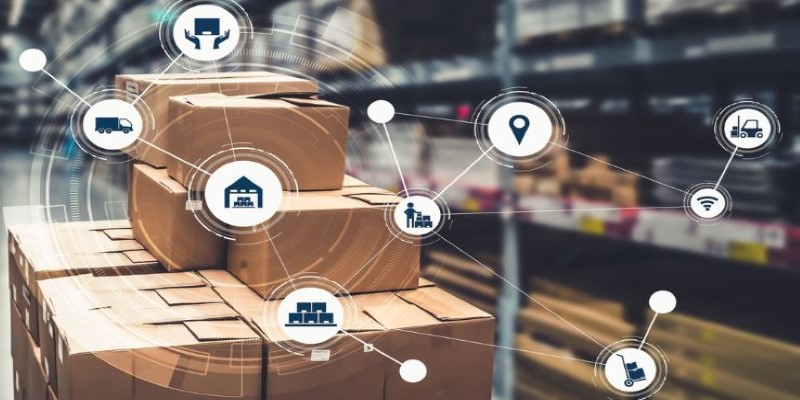
AI will also play a major role in managing global supply chains by predicting trade changes and reducing dependence on single suppliers or regions. Another exciting development is the rise of autonomous supply chains, where AI will handle many tasks with little human effort. Automated warehouses, smart inventory systems, and self-driving delivery vehicles could soon become common.
Additionally, AI will strengthen collaboration between businesses by providing shared data platforms for better communication and cost savings. Companies that stay flexible and embrace AI as a core part of their strategy will lead the way in building faster, smarter, and more reliable supply chains for the future.
AI in supply chain optimization is reshaping the way businesses operate, making processes more efficient, cost-effective, and proactive. By predicting issues, improving resource management, and streamlining operations, AI provides solutions that were previously unattainable through traditional methods. While challenges exist, such as data quality and integration, the benefits far outweigh them. As technology continues to evolve, AI will play a central role in shaping the future of supply chains, driving innovation and business growth across industries.
Explore Skimpy, a fast and readable tool that outperforms Pandas describe() in summarizing all data types in Python.

YouTube channels to learn SQL, The Net Ninja, The SQL Guy

Master how to use DALL-E 3 API for image generation with this detailed guide. Learn how to set up, prompt, and integrate OpenAI’s DALL-E 3 into your creative projects
Discover how autonomous robots can boost enterprise efficiency through logistics, automation, and smart workplace solutions

AI in drug discovery is transforming medical research by speeding up drug development, reducing costs, and enabling personalized treatments for patients worldwide
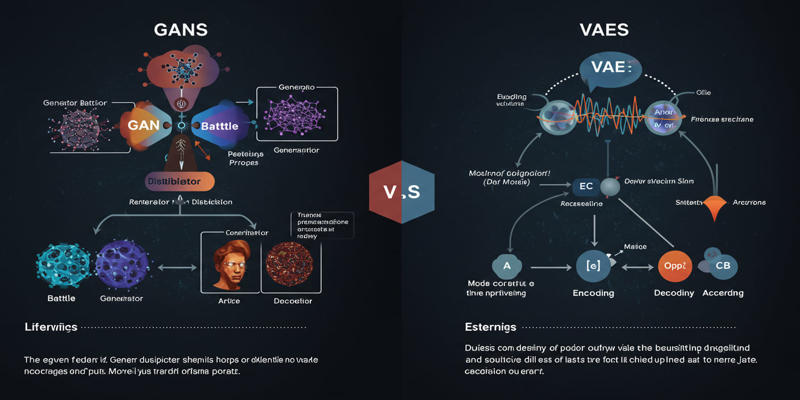
Study the key distinctions that exist between GANs and VAEs, which represent two main generative AI models.
How search algorithms in AI—like BFS, DFS, and A*—solve real-world problems with smart, structured logic. Simple, practical, and human-written insights
AI and the Metaverse are shaping the future of online communication by making virtual interactions smarter, more personal, and highly engaging across digital spaces

Discover how hospital IoT, wearable health trackers, and AI‑powered patient monitoring improve healthcare services today
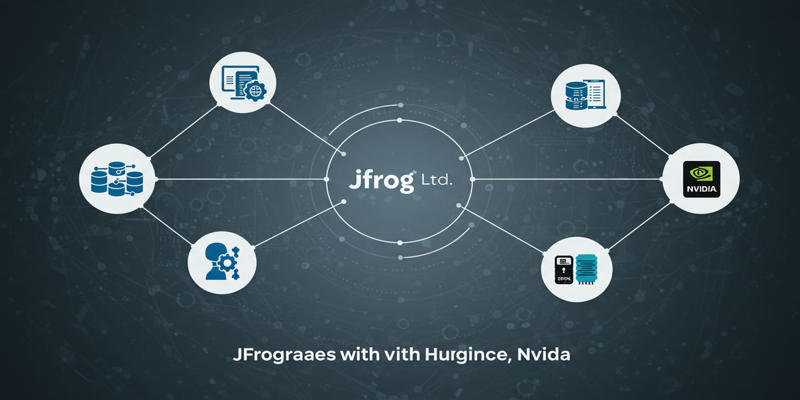
JFrog launches JFrog ML through the combination of Hugging Face and Nvidia, creating a revolutionary MLOps platform for unifying AI development with DevSecOps practices to secure and scale machine learning delivery.

How to set upstream branch in Git to connect your local and remote branches. Simplify your push and pull commands with a clear, step-by-step guide
How heuristics and optimization in AI power intelligent systems, blending speed with accuracy to improve AI decision-making and real-world problem-solving