Autonomous robots are revolutionizing operations across a wide range of enterprises. Companies increasingly use robotic solutions to simplify tasks, increase output, and save running expenses. These fast and precise machines transform work environments, from offices to warehouses. Businesses today depend on autonomous robots for manufacturing, shipping, and even customer service.
As technology develops, the trend of corporate automation, including robots, is picking up speed. These days, intelligent systems can manage repetitious tasks more quickly than human effort. Real-time data, steady performance, and scalable processes help companies. Using robotic solutions helps businesses stay competitive in the ever-advancing digital era. Work is evolving, and autonomous robots are transforming enterprise transformation.
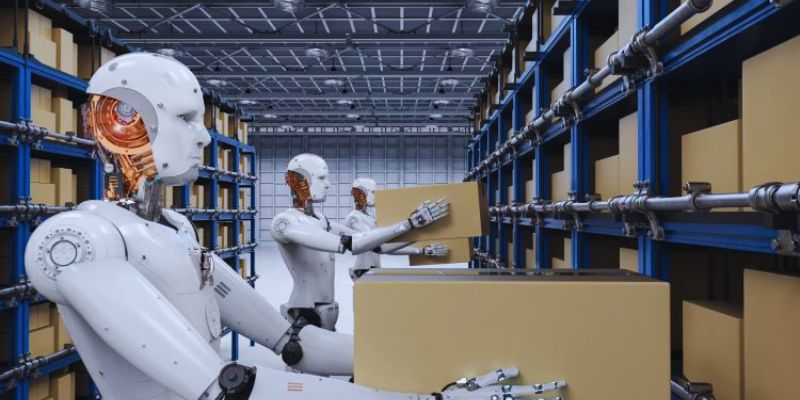
Among the first sectors to include autonomous robots was manufacturing. Robots today accurately handle repetitive assembly line duties. Human mistakes lessen, and efficiency increases noticeably. Machines run without breaks, therefore accelerating output. Robotic arms driven by artificial intelligence handle difficult tasks. These systems analyze and adjust data in real time. Lower labor costs and reliable productivity help businesses.
Additionally, supporting predictive maintenance are robots. They stop breakdowns and spot machine wear. Robotic systems change with the times and are versatile. Manufacturers enjoy lower flaws and better quality control. By taking on dangerous tasks, robots help create safer environments. Human employees are then assigned high-skill, creative tasks. Automation increases market competitiveness worldwide. In manufacturing and logistics, autonomous robots keep transforming the operation of factories. The integration helps large-scale operations as well as small companies. Faster returns and better scalability are what business owners observe. Nowadays, the main corporate strategy in production is autonomous robotics.
Autonomous robots are quite important for warehouses in terms of logistics. These devices move products effectively and without delay. Drones and autonomous guided vehicles (AGVs) help monitor inventory. They help lower human mistakes and lost goods. For distribution, smart robots rapidly pick and sort objects. This raises client satisfaction and helps avoid shipping delays. Robots operate in concert with warehouse control systems. Real-time monitoring and optimization of operations follow.
Automated systems control shelf placement, therefore optimizing storage capacity. They figure out the best routes for quick access. Robot-generated data analytics helps companies understand the data. It guides demand forecasts and supply chain decisions. Robots can run around the clock and under poor light. Peak demand times and labor scarcity are better under control. For corporate logistics, robotic systems increase scalability. Accuracy, safety, and efficiency all get improvement. Modern supply chain success now depends on enterprise automation, including robotics. Companies keep funding more intelligent warehouse systems.
Service robots help support the roles faced by customers. Companies set them up in airports, hotels, and banks. Robots help with simple questions, check-ins, and information searches. They enhance service experience and help to lower wait times. AI enables robots to respond naturally and understand user input effectively. Facial recognition allows robots to provide individualized help. Companies gain from round-the-clock client service free from human tiredness.
Robots find multilingual communication rather easy. They support accessibility features for people with special needs. Robots at retail stores suggest items depending on their behavior. They forward management real-time comments they gather. Frontline workers are free from monotonous tasks. They can then concentrate on intricate interactions. Under pressure, robots act consistently. Mistakes and mood-based variances are gone. Using technology innovation helps companies strengthen their brand image.
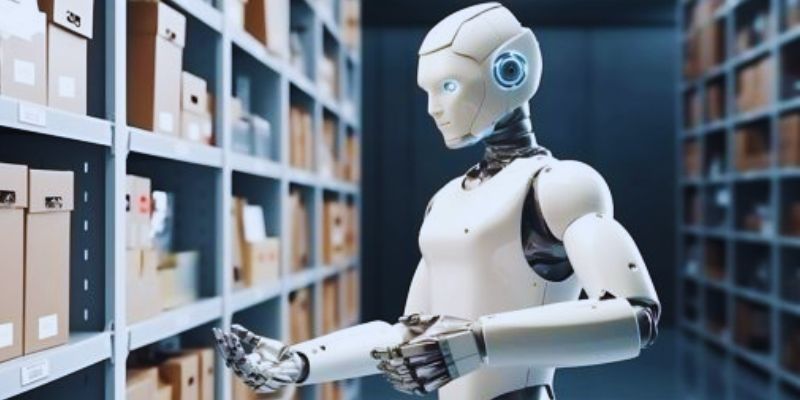
Robots are helping companies run offices and structures. Cleaning robots are programmed to sanitize offices efficiently. They easily avoid obstructions and follow sophisticated maps, allowing companies to maintain high hygienic standards without additional work. Security robots keep an eye on buildings and guard against potential invasions. Should they come upon odd activities, they notify staff. Robots in maintenance spot early HVAC or plumbing leaks. Predictive repairs minimize running costs and time. Environmental sensors record temperature and air quality.
Conditions can be automatically changed in offices to suit staff comfort. Robots gather and document energy consumption. These realizations enable sustainability and help lower waste. Constant monitoring helps facilities get smarter and safer. Robots can operate in dangerous environments such as basements or rooftops. Human dangerous exposure is greatly decreased. Companies more readily follow safety regulations. Facility robots are scalable for either small workplaces or big campuses. Better, reasonably priced maintenance helps businesses. Robotic enterprise automation guarantees superior control over internal systems.
Modern data centers use robots to handle important infrastructure. Robots handle wire management and hardware installation. These jobs are now totally mechanized and demand accuracy. Faster fault detection lowers downtime. Thermal imaging helps robots find equipment overheating. Problems are raised before damage starts. Alerts sent to IT personnel enable quick response capability. Robotic systems repair broken drives and parts. Operations go forward uninterrupted.
Data centers monitor servers using robots driven by artificial intelligence. They move in low light and into small areas. Less manual checks help to improve efficiency. For remote troubleshooting, robots supply records and video streams. Systems remain compliant and safe. Only programmed robots are permitted to access secure areas. Companies depend on the constant provision of services. Robots support disaster recovery strategies. They examine system reactions and assist in replicating situations. In IT and logistics, autonomous robots present unparalleled uptime. Companies save money and more successfully defend digital infrastructure.
Across several industries, autonomous robots are revolutionizing business processes. Their influence is seen from customer service desks to industrial lines. To remain competitive and effective, companies today welcome enterprise automation, including robotics. The main advantages are task accuracy and real-time decision-making. Robotic solutions for business help to lower human error, increase worker safety, and stimulate development. In logistics, IT, and service sectors, autonomous robots help define future corporate innovation. Businesses using robotics technologies become agile and resilient. As robotic systems evolve, their role in business will become increasingly vital and transformative.
Every aspect of OpenAI's GPT-4.5, which presents better conversational performance alongside improved emotional awareness abilities and enhanced programming support and content creation features

Want to run AI without the cloud? Learn how to run LLM models locally with Ollama—an easy, fast, and private solution for deploying language models directly on your machine

AI and the Metaverse are shaping the future of online communication by making virtual interactions smarter, more personal, and highly engaging across digital spaces

How heuristics and optimization in AI power intelligent systems, blending speed with accuracy to improve AI decision-making and real-world problem-solving

Explore how Meta AI on WhatsApp is revolutionizing mobile use with smart chats, planning, creativity, and translation.

AI in drug discovery is transforming medical research by speeding up drug development, reducing costs, and enabling personalized treatments for patients worldwide

YouTube channels to learn SQL, The Net Ninja, The SQL Guy

Discover the most used Power BI charts to enhance your reports. Learn how each chart improves data visualization and insight.

Learn how CrewAI’s multi-agent AI system automates writing full-length articles directly from YouTube video content.
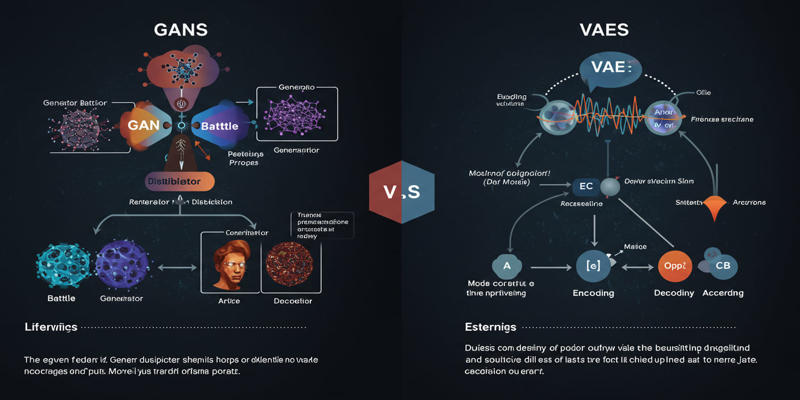
Study the key distinctions that exist between GANs and VAEs, which represent two main generative AI models.

Unlock the potential of AI for market analysis to understand customer needs, predict future trends, and drive smarter business decisions with accurate consumer behavior prediction
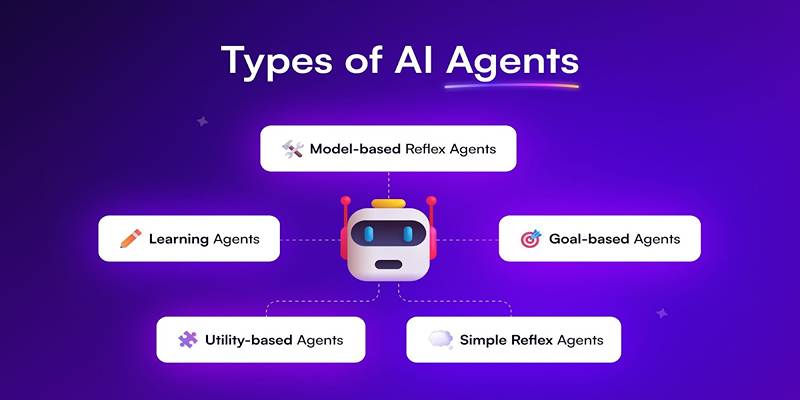
Learn about the main types of AI agents in 2025 and how they enable smart, autonomous decision-making systems.