As technology continues to evolve, the metaverse is quickly becoming a space where people can work, socialize, and create in ways never seen before. What makes this virtual world even more intriguing is the role of artificial intelligence (AI). AI is the backbone of the metaverse, powering everything from realistic avatars to dynamic virtual environments.
Virtual interactions, once limited to simple text and video chats, are now immersive experiences thanks to AI’s ability to adapt, learn, and respond to user behavior. In this article, we’ll explore how AI is transforming virtual interactions and shaping the future of the metaverse.
AI is at the heart of shaping the metaverse experience, creating immersive environments where virtual interactions feel intuitive and lifelike. Without AI, the metaverse would be a static and limited experience akin to a basic video game. AI breathes life into these digital spaces, making them responsive and adaptive to individual preferences and behaviors.
Take a virtual office as an example: AI monitors a user's meeting attendance, content interest, and communication type. The data can infer meaningful tools, suggest whom to collaborate with, or even refine the virtual environment to increase attention and productivity. This personalized touch enables users to experience more streamlined and customized virtual work.
AI-driven avatars also enhance the metaverse beyond realistic appearances. These avatars can replicate human looks, expressions, postures, and even voice patterns in real-time, making virtual interactions feel natural and personalized. This high level of ease in integrating AI guarantees that virtual interactions are always engaging, active, and person-oriented regardless of physical distance.
One of the main reasons AI and the metaverse go hand in hand is the need for intelligent, dynamic environments. A static virtual world would quickly lose users' interest. AI solves this problem by creating virtual spaces that respond to user actions.

For example, in a virtual shopping center within the metaverse, AI can provide personalized recommendations based on a user’s past purchases or browsing habits. If a user walks into a virtual store, an AI assistant can greet them, offer product suggestions, or even provide real-time customer service. This creates a new kind of virtual interaction that is faster and more efficient than traditional online shopping.
In social settings, AI helps maintain safety and comfort. It can detect inappropriate behavior or language and take action, ensuring that virtual spaces remain welcoming for everyone. The same AI tools can also manage crowd control in busy virtual events, adjusting space layouts to avoid congestion or improving user flow through virtual environments.
AI is transforming virtual interactions in the metaverse by automating daily tasks and communication. Virtual interactions extend beyond simple chats or video calls, with AI enabling the creation of smart virtual assistants that guide users through various experiences. In virtual workplaces, AI automates tasks such as scheduling meetings, summarizing discussions, and offering language translation services for international teams. This automation helps users focus on creativity and collaboration instead of managing routine tasks, improving overall productivity.
In content creation, AI accelerates the development of virtual environments. Whether designing a virtual office, creating game characters, or developing educational materials, AI provides tools that generate content quickly and efficiently. This is particularly beneficial for businesses aiming to maintain an active presence in the metaverse without dedicating excessive time or resources.
In the entertainment sector, AI plays a crucial role in managing virtual concerts, exhibitions, and gaming events. It controls elements like lighting, sound effects, and crowd reactions while analyzing user behavior to optimize the experience. By adjusting real-time aspects of these events, AI enhances engagement and ensures a seamless experience for participants. Overall, AI’s role in automating tasks and enhancing virtual experiences is reshaping the way users interact and engage within the metaverse.
As both AI and the metaverse continue to grow, the future looks promising for virtual interactions. Experts believe that AI will eventually make the metaverse even more human-like, with avatars capable of expressing emotions, learning from past conversations, and adapting to complex situations.

With AI's help, virtual interactions are expected to become more immersive. This might include smarter virtual classrooms where students can interact with AI tutors, virtual healthcare systems with AI doctors providing basic medical advice, or virtual travel experiences that simulate real-world environments.
Businesses are also expected to increase their investment in AI-driven virtual spaces for customer service, training, and marketing. Personalized advertising in the metaverse, driven by AI, will target users in ways never seen before, making virtual interactions highly relevant and engaging.
However, the growth of AI and the metaverse also comes with challenges. Data privacy, security concerns, and the risk of creating overly dependent virtual systems are real issues that need careful management. Developers must ensure that AI respects user privacy and maintains transparency in how data is collected and used within virtual spaces.
Despite these challenges, the connection between AI and the metaverse is clear. Together, they are creating new possibilities for virtual interactions that were once considered science fiction.
AI is playing a crucial role in shaping the metaverse by enhancing virtual interactions. From personalized avatars and intelligent environments to automated tasks and real-time content creation, AI is making virtual spaces more immersive and engaging. As both technologies continue to evolve, they promise to redefine the future of online communication, work, and entertainment. While challenges like data privacy and security need attention, the collaboration between AI and the metaverse is opening up new possibilities for human connection, making virtual interactions smarter and more accessible than ever before. The future looks bright for this digital revolution.
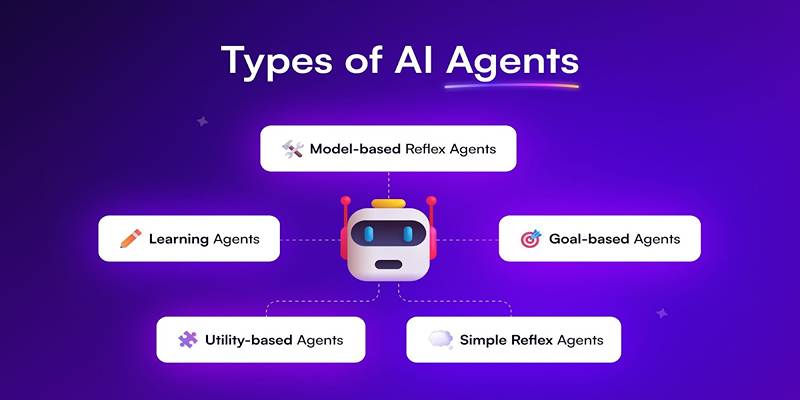
Learn about the main types of AI agents in 2025 and how they enable smart, autonomous decision-making systems.

Discover how autonomous robots can boost enterprise efficiency through logistics, automation, and smart workplace solutions

Discover how hospital IoT, wearable health trackers, and AI‑powered patient monitoring improve healthcare services today
Every aspect of OpenAI's GPT-4.5, which presents better conversational performance alongside improved emotional awareness abilities and enhanced programming support and content creation features

Want to run AI without the cloud? Learn how to run LLM models locally with Ollama—an easy, fast, and private solution for deploying language models directly on your machine

JFrog launches JFrog ML through the combination of Hugging Face and Nvidia, creating a revolutionary MLOps platform for unifying AI development with DevSecOps practices to secure and scale machine learning delivery.
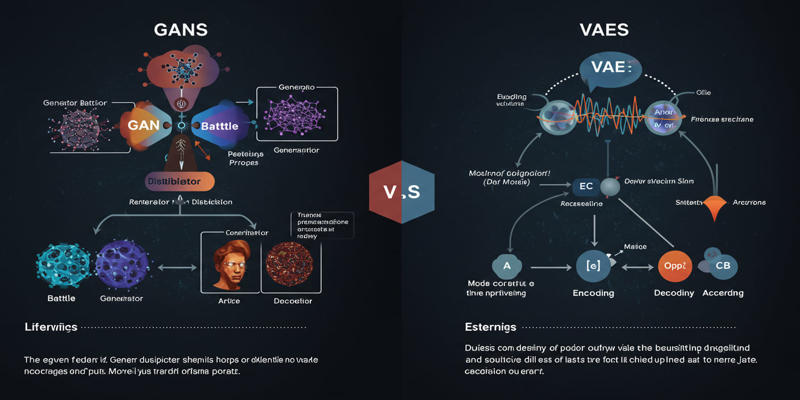
Study the key distinctions that exist between GANs and VAEs, which represent two main generative AI models.
AI in Supply Chain Optimization helps businesses improve efficiency, reduce costs, and manage risks with smart technology and real-time solutions

Master how to use DALL-E 3 API for image generation with this detailed guide. Learn how to set up, prompt, and integrate OpenAI’s DALL-E 3 into your creative projects

How to set upstream branch in Git to connect your local and remote branches. Simplify your push and pull commands with a clear, step-by-step guide
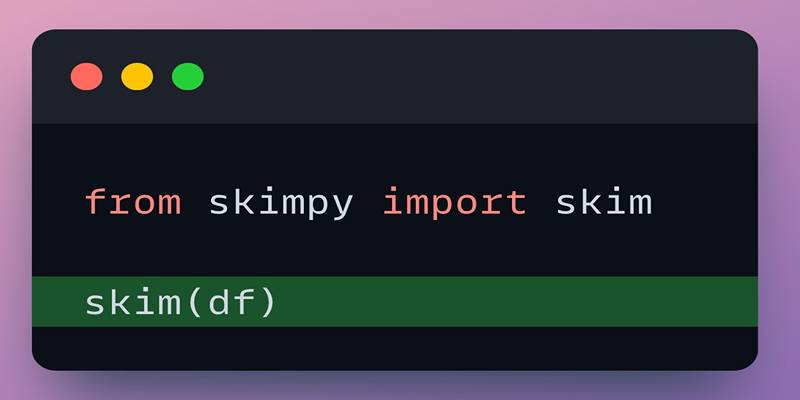
Explore Skimpy, a fast and readable tool that outperforms Pandas describe() in summarizing all data types in Python.

How AI’s environmental impact is shaping our world. Learn about the carbon footprint of AI systems, the role of data centers, and how to move toward sustainable AI practices