Automated systems are changing how we use information in this digital age, especially in areas like research, content creation, and data processing. One particularly fascinating development is the rise of multi-agent AI systems—platforms that allow multiple AI agents to collaborate on tasks traditionally reliant on human teams.
CrewAI is a platform that brings this concept to life by enabling cooperative AI agents to work together seamlessly on complex assignments. This post will explore how CrewAI’s multi-agent system can be harnessed to automatically generate structured articles from YouTube videos—dramatically reducing manual work while maintaining a high standard of quality. Whether you're a content creator, developer, or tech enthusiast, this use case offers a powerful glimpse into the future of content automation.
YouTube has become a vast repository of knowledge, with countless hours of educational, technical, and inspirational content uploaded daily. Platforms like Analytics Vidhya, for example, not only produce well researched articles but also videos, webinars, and expert interviews. However, transforming this rich multimedia content into written form—such as blogs or technical articles—remains a time-consuming and labor-intensive task.
Think about what’s required to turn a YouTube video into a quality blog post:
Doing this for just one video is a serious effort. Now imagine scaling that to hundreds or even thousands of videos across a content platform. It's not only impractical but nearly impossible without automation. That’s where CrewAI’s multi-agent system shines.
To understand how CrewAI operates, we need to break it down into its core building blocks. Every CrewAI project involves the following three components:

These are autonomous AI workers designed to handle specific responsibilities. For example, one agent might specialize in research while another is tasked with writing.
Each task defines what the agent should accomplish. For instance, a task might instruct an agent to extract insights from a video or to compose a detailed blog post.
Tools are supporting technologies or APIs that help agents complete their tasks. These can include systems that extract video transcripts, analyze video descriptions, or fetch metadata from YouTube channels. Together, these components form a powerful, automated workflow capable of converting video content into long-form articles with little to no manual intervention.
In this multi-agent system, 2 main AI roles are defined:
This agent simulates the role of a subject matter expert. Its responsibilities include:
It uses a specialized video search and data retrieval tool to gather relevant information. In essence, this agent does the heavy lifting of understanding the video content.
The second agent behaves like a technical content writer. It receives the structured research from the Domain Expert and:
Together, these agents work in sequence—just like a research assistant and a writer would in a publishing team.
The system operates using a sequential process, meaning each agent performs its task one after the other. Here’s how the typical workflow unfolds:
This process ensures both completeness and accuracy, as each step builds upon the previous one.
To make the system operational, here’s a high-level view of how it’s typically set up:
A dedicated project folder is created, and an environment management tool like Conda is used to isolate dependencies. Essential libraries—like those for working with language models, environment variables, and YouTube tools—are installed.
Sensitive data such as API keys is securely stored in a configuration file (often called .env). This key enables the agents to interact with external AI services like OpenAI’s GPT model.
A video data retrieval tool is integrated with the system. This tool is configured to focus on a specific YouTube channel (e.g., “SystemDesignSchool”), making it efficient for targeted content extraction.
Two agents are created with defined roles and goals:
Each agent includes a short backstory to give it contextual awareness—this boosts its ability to perform tasks with greater relevance.
Tasks are then created and linked to the respective agents. Each task includes:
A crew is assembled by combining the agents and their tasks. The system kicks off with the input topic, and the agents begin working sequentially. The final result is a structured, long-form article saved to a local file, ready for review or publication.
The CrewAI Multi-Agent System presents a groundbreaking way to automate the creation of structured articles from YouTube videos. By mimicking real-world team collaboration through intelligent agents, the system allows for efficient, high-quality, and scalable content production. This use case exemplifies how automation isn't just about saving time—it’s about unlocking new possibilities. With AI handling the operational workload, content creators can focus on higher-level strategies, storytelling, and audience engagement.

Learn how CrewAI’s multi-agent AI system automates writing full-length articles directly from YouTube video content.
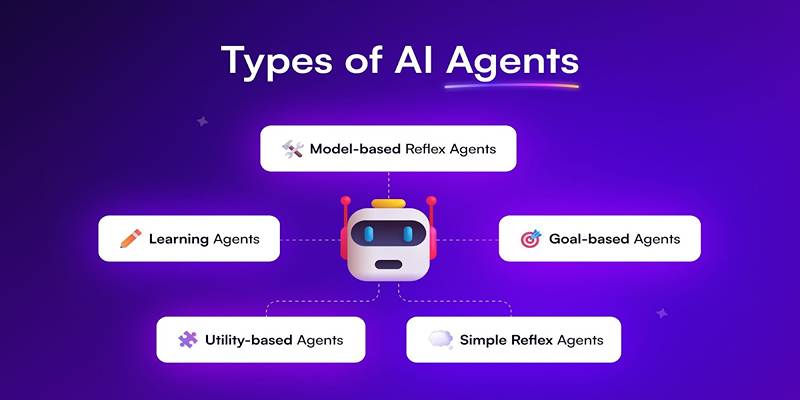
Learn about the main types of AI agents in 2025 and how they enable smart, autonomous decision-making systems.

Master the Alation Agentic Platform with the API Agent SDK capabilities, knowing the advantages and projected impact.
AI and the Metaverse are shaping the future of online communication by making virtual interactions smarter, more personal, and highly engaging across digital spaces

Drive more traffic with ChatGPT's backend keyword strategies by uncovering long-tail opportunities, enhancing content structure, and boosting search intent alignment for sustainable organic growth
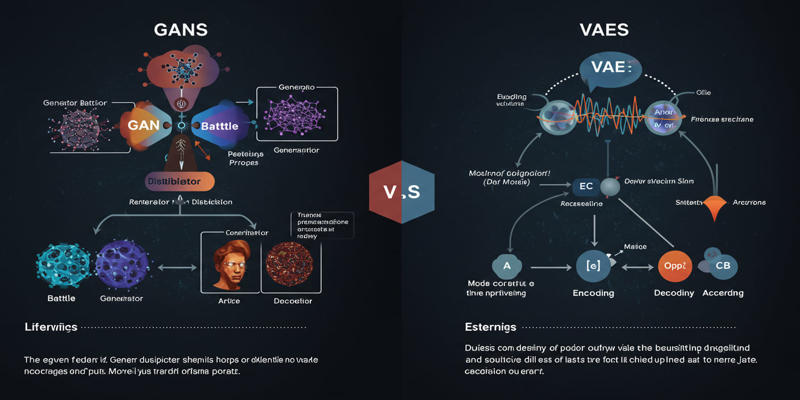
Study the key distinctions that exist between GANs and VAEs, which represent two main generative AI models.

Master how to use DALL-E 3 API for image generation with this detailed guide. Learn how to set up, prompt, and integrate OpenAI’s DALL-E 3 into your creative projects
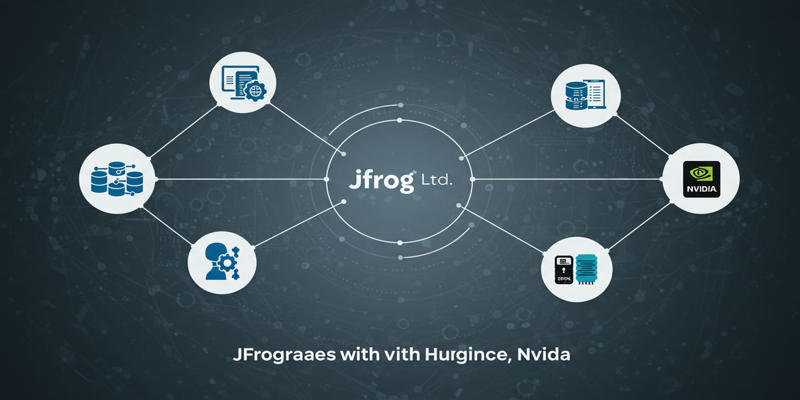
JFrog launches JFrog ML through the combination of Hugging Face and Nvidia, creating a revolutionary MLOps platform for unifying AI development with DevSecOps practices to secure and scale machine learning delivery.

Discover how OpenAI’s o1-preview and o1-mini models advance reasoning, efficiency, and safety on the path to AGI.

Discover how autonomous robots can boost enterprise efficiency through logistics, automation, and smart workplace solutions

Unlock the potential of AI for market analysis to understand customer needs, predict future trends, and drive smarter business decisions with accurate consumer behavior prediction
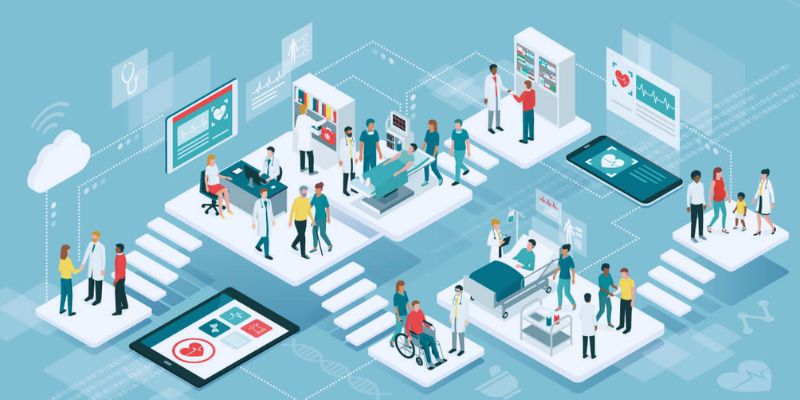
Discover how hospital IoT, wearable health trackers, and AI‑powered patient monitoring improve healthcare services today