Understanding customer needs has always been vital for business success. In the past, it involved surveys, assumptions, and guesswork. Today, AI for market analysis has transformed this process entirely. Businesses now use smart algorithms to study data patterns, predict trends, and understand customer behavior with remarkable accuracy. It’s not about futuristic robots — it’s about real technology working quietly behind the scenes.
AI digs deep into data, uncovering valuable insights that help companies make smarter decisions. At the core of this shift is consumer behavior prediction, allowing businesses to anticipate customer needs and stay ahead in an increasingly competitive market.
AI for market analysis is changing the way businesses understand their customers and respond to market trends. It's no longer about collecting feedback or checking sales reports after the fact. AI digs deeper and moves faster. It processes real-time data from countless sources—social media, website activity, purchase history, customer reviews, and competitor moves. This provides businesses with a live window on what's going on in their marketplace, enabling them to move quickly and make better decisions.
Among the highlight tools used in this task is Natural Language Processing (NLP). Rather than basing decisions on short surveys or fragmented feedback, NLP browses thousands of web conversations and reviews to pick up customers' genuine voices. It informs companies not only what's being said but how customers feel about it.
Machine learning takes things further. These systems don’t just collect data — they learn from it. They catch early signs of shifting customer interests, like a growing demand for sustainable products or a new preference for certain features. This allows businesses to adjust their approach before competitors even notice the change.
AI for market analysis isn't here to replace human creativity—it's here to strengthen it. It's about giving marketing teams the clarity, speed, and insight they need to lead confidently.
If market analysis is about understanding the landscape, then consumer behavior prediction is about reading customers' minds. This is where AI really proves its worth.
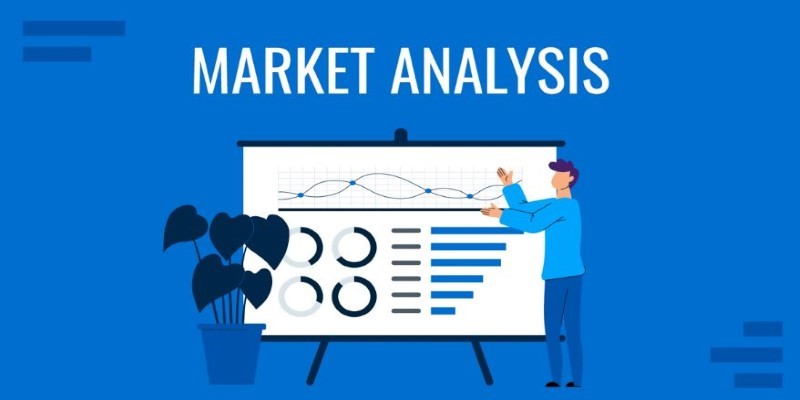
Consumer behavior prediction is the process of using data to forecast future customer actions. AI systems look at a person’s browsing history, past purchases, and interaction patterns to predict what they are likely to do next. Are they about to abandon their cart? Are they likely to respond to a discount offer? Will they switch to a competitor?
One of the most common examples of this is recommendation engines. Streaming platforms like Netflix or online retailers like Amazon use AI to recommend content or products based on what users have previously engaged with. However, consumer behavior prediction goes far beyond recommendations.
Retail companies use AI to predict when customers are most likely to make a purchase, what kind of marketing message will appeal to them, and even the best time to send a promotional email. For example, if AI systems notice that a specific customer tends to shop late at night, the marketing strategy can be adjusted to reach them during that time window.
This level of personalization is only possible through the power of AI. It works silently in the background, learning and adjusting constantly. The more data it has, the smarter it becomes.
AI for market analysis and consumer behavior prediction brings real, measurable benefits for businesses across industries. The biggest advantage is speed. Traditional market research methods are slow and often outdated by the time they are complete. AI provides real-time insights, enabling companies to react quickly to market changes.
Another major benefit is accuracy. By using AI, businesses reduce the risk of human error and bias in their analysis. AI systems look at hard data, not assumptions, making their predictions more reliable.
Cost efficiency is another key factor. Instead of hiring large research teams or conducting expensive surveys, companies can rely on AI tools that work around the clock. These systems never sleep, and they handle tasks that would take human teams days or even weeks.
In the retail industry, AI for market analysis has helped companies improve customer loyalty. When customers feel like a brand understands them — their needs, preferences, and habits — they are more likely to return. In financial services, AI-powered analysis helps predict market trends, reducing investment risks. In healthcare, it helps understand patient needs and predict future treatment demands.
Consumer behavior prediction is even changing the way products are developed. Companies can test product ideas virtually before launching them, using AI to simulate customer reactions based on existing data. This minimizes risk and allows for more confident decision-making.
While AI for market analysis offers powerful advantages, it also presents real challenges that businesses must navigate carefully. Data privacy stands at the top of these concerns. Companies must handle customer information responsibly, ensuring transparency and compliance with privacy laws. Customers want personalized experiences, but not at the expense of their trust.

Another key challenge is data quality. AI systems rely on accurate, clean, and unbiased data to make reliable predictions. Poor data leads to poor outcomes, so companies must prioritize strong data management practices.
Looking forward, the future of AI for market analysis and consumer behavior prediction is promising. We’ll see smarter personalization, automated marketing in real-time, and AI-powered customer service that anticipates needs before users ask. Retail environments may evolve into dynamic spaces that adjust based on consumer behavior prediction.
AI is no longer just a competitive advantage — it’s quickly becoming essential. Companies that adopt and refine AI strategies now will lead tomorrow’s markets.
AI for market analysis is transforming how businesses understand and connect with their customers. It turns raw data into clear insights, guiding smarter decisions and personalized strategies. With accurate consumer behavior prediction, companies can stay ahead of market trends and customer expectations. As technology evolves, AI will become even more essential for business growth. Those who embrace its potential today will shape the future of customer experience, driving loyalty, innovation, and long-term success in an increasingly data-driven world.
Every aspect of OpenAI's GPT-4.5, which presents better conversational performance alongside improved emotional awareness abilities and enhanced programming support and content creation features

Discover how OpenAI’s o1-preview and o1-mini models advance reasoning, efficiency, and safety on the path to AGI.
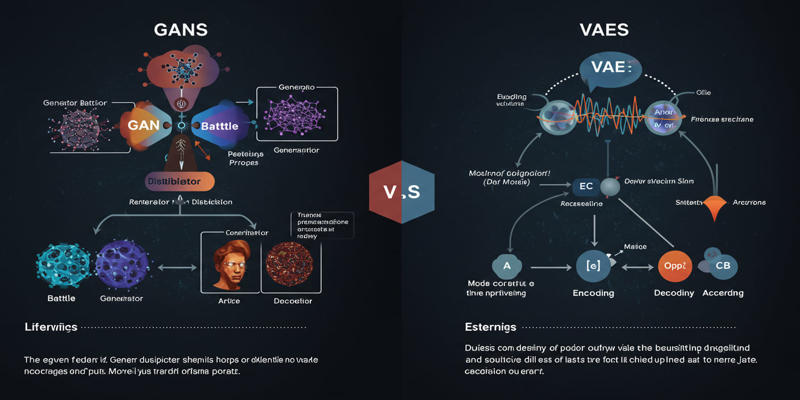
Study the key distinctions that exist between GANs and VAEs, which represent two main generative AI models.

How to set upstream branch in Git to connect your local and remote branches. Simplify your push and pull commands with a clear, step-by-step guide

Discover how autonomous robots can boost enterprise efficiency through logistics, automation, and smart workplace solutions
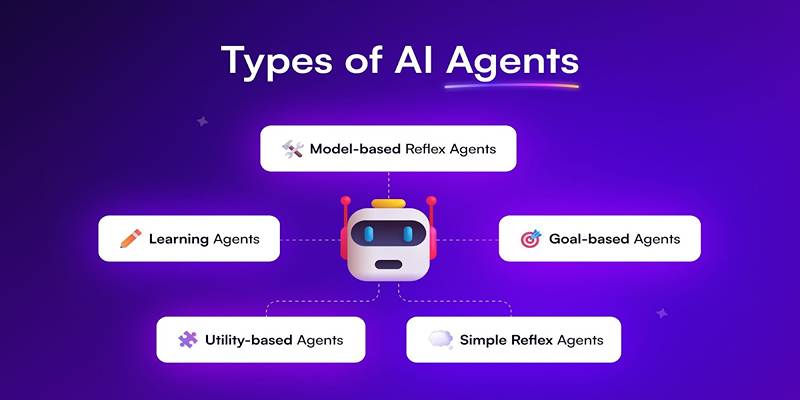
Learn about the main types of AI agents in 2025 and how they enable smart, autonomous decision-making systems.

Master how to use DALL-E 3 API for image generation with this detailed guide. Learn how to set up, prompt, and integrate OpenAI’s DALL-E 3 into your creative projects

How AI’s environmental impact is shaping our world. Learn about the carbon footprint of AI systems, the role of data centers, and how to move toward sustainable AI practices

Drive more traffic with ChatGPT's backend keyword strategies by uncovering long-tail opportunities, enhancing content structure, and boosting search intent alignment for sustainable organic growth

AI and the Metaverse are shaping the future of online communication by making virtual interactions smarter, more personal, and highly engaging across digital spaces

Want to run AI without the cloud? Learn how to run LLM models locally with Ollama—an easy, fast, and private solution for deploying language models directly on your machine
How AI APIs from Google Cloud AI, IBM Watson, and OpenAI are helping businesses build smart applications, automate tasks, and improve customer experiences